How Do LED Neon Signs Increase Business Visibility and Attract Customers?
LED neon signs increase visibility by combining high color saturation, contrast, and programmable motion to produce a perceptual pop that draws the eye from a distance. The mechanism is simple: bright, saturated light against a contrasting backdrop raises salience, and discrete animations or color changes create motion cues that humans are evolutionarily tuned to notice. Businesses benefit because improved noticeability converts into more window stops, impulse entries, and longer dwell times, which cascade into higher conversion opportunities. The next paragraphs unpack why LED neon outperforms static signage, how that converts to sales, and which businesses see the biggest uplift.
What Makes LED Neon Signs More Noticeable Than Traditional Signage?
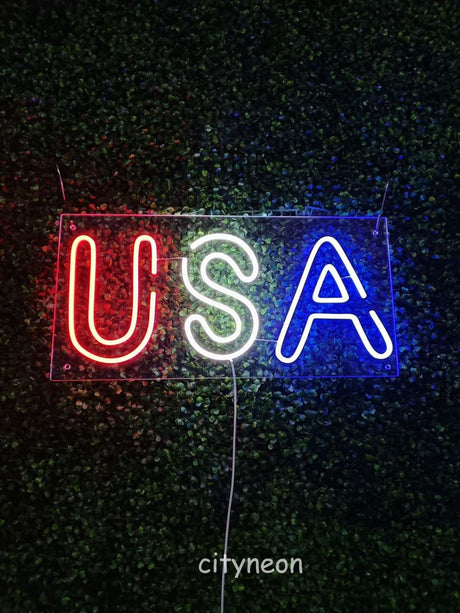
LED neon signs are more noticeable because LED flex material produces consistent hue and brightness without the glare or hot spots common in older lighting, and because RGB controllers enable vivid color ranges and smooth gradients. The technical mechanism is control over light emission: LEDs can be dimmed, sequenced, and color-matched, which creates contrast and perceived motion that capture attention. The result is enhanced visual salience especially at night and in dense retail environments, translating to higher recognition rates. This visual advantage leads naturally into how attention turns into measurable customer activity.
How Do LED Neon Signs Drive Foot Traffic and Sales?
LED neon drives foot traffic by creating curiosity and clearer visual cues—such as an “OPEN” motif or a glowing logo—that lower the friction for an impulse visit and increase conversion probability at the point of decision. Behavioral triggers include curiosity, perceived novelty, and social-proof prompts when signs double as photo backdrops; these triggers prompt more passerby stops and more social shares. Retail studies and industry analyses suggest that better signage can lift storefront visits by mid-to-high single digits, and LED neon’s distinctiveness often outperforms plain backlit signs in dense shopping areas. Understanding these behavioral mechanisms helps businesses prioritize placement and messaging to maximize sales impact.
Which Business Types Benefit Most from LED Neon Sign Visibility?
Certain business types see outsized returns from LED neon visibility because their success depends on immediate recognition, ambiance, or social discovery. Retail stores benefit from bold window logos and seasonal neon promos that draw shoppers inside, restaurants and bars leverage neon to set mood and create selfie moments that amplify discovery, and service businesses like salons use neon to signal specialty offerings and hours. Event venues, pop-ups, and kiosks obtain quick brand lift from portable, eye-catching neon elements that increase recall. These industry patterns guide sign design decisions for each business goal and segue into how customization amplifies brand value.
What Are the Key Business Advantages of Using Custom LED Neon Signs?
Custom LED neon signs give businesses the ability to reproduce logos, tailor typography, and craft messages that match brand tone while remaining highly visible across hours and weather conditions. The mechanism is customization: by aligning color, typeface, and scale with brand identity, signs act as persistent brand assets that reinforce recognition and perceived quality. Customization also enables campaign agility—rotating messages, seasonal treatments, and limited-time offers—so a single sign can serve multiple marketing roles. The following subsections explore how custom signs lift brand identity, why tailored design matters for marketing, and how signs foster customer engagement.
How Do Custom LED Signs Elevate Brand Identity and Ambiance?
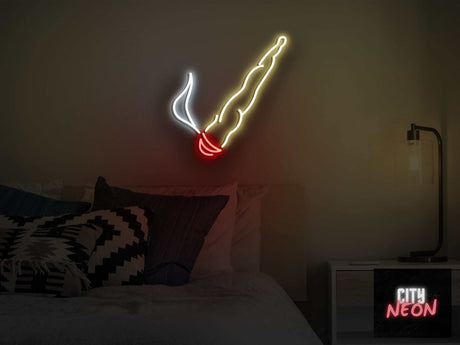
Custom LED neon aligns branding and interior ambiance by matching exact brand colors, replicating logo curves with LED flex, and choosing intensity or warmth that complements decor. The reason this matters is that consistent visual cues strengthen recognition and perceived professionalism; a neon logo in the brand palette reinforces identity every time customers enter or photograph the space. Examples include a subdued, warm-toned neon in upscale cafes to communicate craft quality or high-contrast vivid neon in youth-focused retail to convey energy. Elevating identity through neon naturally leads to an exploration of the marketing benefits of customization.
Why Is Customization Important for Business Marketing with LED Neon Signs?
Customization matters because it lets businesses craft messages that meet specific marketing goals—whether permanent brand identity, seasonal promotion, or time-limited call-to-action—without relying on separate physical assets. Options such as text, typography, logo replication, size, mounting substrate, and animated RGB sequences allow signs to support promotions, highlight special products, or serve as dynamic backdrops for events. Because custom-made neon can be fabricated to fit awkward spaces or specific sightlines, it improves legibility and ensures that marketing messages are seen and understood. This flexibility also supports ongoing campaign strategies that rotate creative assets efficiently.
How Do LED Neon Signs Enhance Customer Engagement and Experience?
LED neon signs enhance engagement by creating memorable moments and explicit photo-op placements that encourage user-generated content and social sharing. The mechanism is experiential design: a well-placed neon statement or branded backdrop provides a cue for customers to take photos, tag the business, and extend reach organically. Tactical examples include pairing a neon slogan with a branded hashtag or situating neon near seating to increase dwell time for photo activity. When designed for sharing, these features not only increase impressions but also provide measurable signals through mentions and UGC that feed into marketing analytics.
After exploring advantages and engagement tactics, businesses often want practical procurement steps and product options. Below is a short, generic business solutions block that links benefits to ordering workflow and typical product types without naming specific vendors.
Business solutions
For businesses ready to act on these advantages, some providers offer a range of custom LED options—logo signs, “OPEN” signs, neon letters, and RGB color-changing strips—combined with design services and fabrication. A typical procurement workflow includes a design brief, proof approval, fabrication on LED flex material with specified mounting hardware and power supply (12V DC), and scheduled installation by a qualified technician. Businesses should request mockups, lifespan and warranty details, and ask about controller options for animation. Explore custom solutions with multiple providers to compare design fidelity, material meronyms like diffusers and backings, and installation services.
How Do LED Neon Signs Offer Cost Savings and Sustainability Benefits for Businesses?
Yes — LED neon is energy-efficient and typically reduces operating costs and environmental impact compared with traditional neon and many illuminated signage options. The reason is lower wattage per foot, longer rated lifespans, and less frequent maintenance, which together reduce total cost of ownership (TCO) and carbon intensity over time. This section quantifies energy advantages, explains how LED neon supports sustainable practices, and summarizes durability and maintenance profiles businesses should consider. A comparative EAV-style table below helps illustrate typical differences.
|
Sign Type |
Typical Energy Use (W per linear foot) |
Typical Lifespan (hours) |
|---|---|---|
|
LED neon |
2–8 W/ft |
40,000–70,000 hours |
|
Traditional neon |
15–30 W/ft |
10,000–30,000 hours |
|
Backlit acrylic |
5–12 W/ft |
20,000–50,000 hours |
What Energy Efficiency Advantages Do LED Neon Signs Provide Compared to Traditional Neon?
LED neon typically consumes a fraction of the wattage of glass neon because LEDs convert electrical energy to visible light more efficiently and run on low-voltage DC power adapted through compact power supplies. The mechanism of savings is reduced running power and fewer replacements due to longer rated hours, which together lower annual kilowatt-hour consumption. An example calculation: a 10-foot LED neon at 5 W/ft uses 50 W; running 12 hours daily equals ~219 kWh annually, whereas a 10-foot traditional neon at 20 W/ft would use ~876 kWh annually—approximately a 75% reduction. These efficiency gains translate directly to lower utility bills and smaller carbon footprints.
LED Lighting Efficacy and Energy Efficiency
ABSTRACT: Abstract (VO)RésuméA monumental shift from conventional lighting technologies (incandescent, fluorescent, high intensity discharge) to LED lighting is currently transpiring. The primary driver for this shift has been energy efficiency and associated cost savings. LED lighting is now more efficacious than any of the conventional lighting technologies with room to still improve. Near term, phosphor-converted LED packages have the potential for efficacy improvement between 160 lm/W (now) to 255 lm/W. Longer term, color-mixed LED packages have the potential for efficacy levels conceivably as high as 330 lm/W, though reaching these performance levels requires breakthroughs in green and amber LED efficiency. LED package efficacy sets the upper limit to luminaire efficacy, with the luminaire containing its own efficacy loss channels. In this paper, based on analyses performed through the U.S. Department of Energy Solid State Lighting P
LED lighting efficacy: status and directions, PM Pattison, 2018
How Does LED Neon Technology Support Sustainable Business Practices?
LED neon supports sustainability by avoiding hazardous materials common in some older lighting technologies, reducing energy demand, and lowering replacement waste through longer lifespans. The material choices—LED flex, acrylic diffusers, sealed electronics—reduce fragile glass breakage and ease recycling or disposal compared with mercury-containing or gas-filled systems. Businesses should ask suppliers about material composition, recommended recycling paths, and lifecycle assessments when evaluating sustainability claims. Embedding these checks into procurement helps ensure signage aligns with broader corporate environmental goals.
What Is the Durability and Maintenance Profile of LED Neon Signs?
LED neon signs generally offer long lifespans (often rated 40,000+ hours), low maintenance schedules, and simple cleaning procedures, with common failure modes including driver failure or controller glitches rather than glass breakage. Routine maintenance typically involves annual visual inspections, dusting, and verifying power supply and controller function; many signs include replaceable power supplies and modular LED strips for economical repairs. Warranty terms vary, so businesses should request warranty coverage for LEDs and drivers and a recommended maintenance calendar from suppliers. Effective maintenance planning reduces downtime and extends the sign’s useful service life.
Return-on-investment: quick ROI template and how to get a quote
To estimate ROI, businesses can use this simple template:
For accuracy, request supplier quotes that include installed cost, expected lifespan, warranty, and energy use per model. Contact multiple providers for quotes and ask for installation and permitting guidance to finalize the ROI analysis.
How Can Businesses Use Custom LED Neon Signs for Effective Marketing and Social Media Growth?
LED neon signs are highly photogenic, and when combined with deliberate placement and prompts they become powerful tools for organic social media reach and user-generated content campaigns. The mechanism is visual virality: bright, branded neon backdrops encourage selfies and tagging, which amplifies impressions without recurring ad spend. This section explains why neon is Instagrammable, how signs generate free social exposure, and offers campaign blueprints to drive measurable lift. The implementation checklist afterward gives practical steps to deploy neon for social growth.
Why Are LED Neon Signs Considered Instagrammable and Shareable?
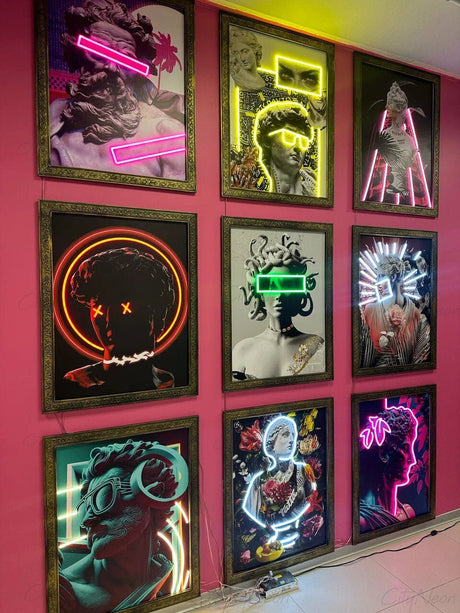
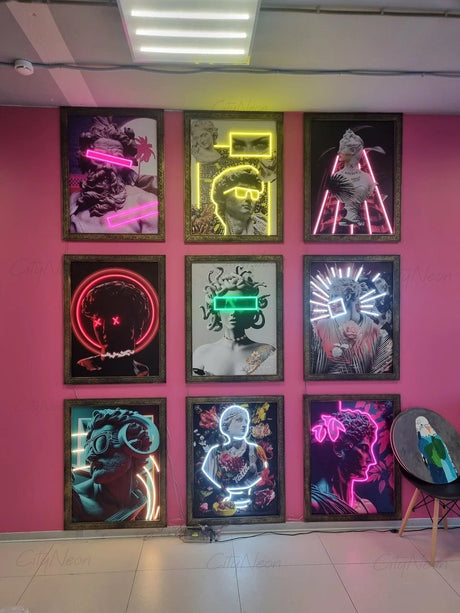
Neon signs are Instagrammable because they deliver high color contrast, pleasing bokeh in photographs, and a strong focal point that frames subjects effectively. The visual features—vivid hue, glow, and crisp typography—produce images that perform well on social platforms, especially when paired with user-friendly lighting and shallow-depth-of-field photography. Businesses that design a neon area as an intentional backdrop increase the likelihood of authentic shares and stories that reach new audiences. Understanding these photographic mechanics helps businesses optimize sign placement and lighting for maximum shareability.
How Do LED Neon Signs Help Generate Free Social Media Exposure?
LED neon prompts free social exposure by providing a share-worthy asset plus a simple activation: place the sign in a high-traffic photo zone, encourage tags or hashtags, and reward shares with small incentives or recognition. A three-step activation is effective:
-
Create a branded neon photo zone
-
Add a clear prompt (e.g., “Tag us with #YourHashtag”)
-
Incentivize sharing with contests or featured reposts
Tracking mentions and conversions from tagged posts allows businesses to measure reach and link social activity to foot traffic uplift. This activation approach links visual design to measurable marketing outcomes.
What Are Examples of Successful Social Media Campaigns Using LED Neon Signs?
Anonymized campaign blueprints show practical tactics: a retail pop-up used a rotating neon phrase to drive weekly product reveals and a hashtagged contest; a café created a signature neon slogan photo wall tied to a loyalty offer; a bar hosted influencer micro-events where a neon backdrop facilitated branded content and measurable reservation increases. Each campaign combined a compelling visual asset with a simple call-to-action and tracking mechanism to quantify social lift. These examples demonstrate how neon can be central to low-cost, high-engagement campaigns that feed marketing analytics.
Implementation checklist
-
Select placement: Choose a high-visibility, well-lit area that accommodates photography and foot traffic.
-
Design for framing: Size and typography should support full-body or product shots without cropping.
-
Provide lighting balance: Add soft fill lighting to avoid harsh shadows while preserving neon glow.
-
Create a prompt: Add a clear hashtag or instruction near the sign to guide sharing.
Use this checklist to coordinate design, photography guidelines, and campaign tracking so neon contributes directly to measurable social outcomes.
What Are the Industry-Specific Applications of LED Neon Signs for Business Growth?
LED neon signs adapt to industry goals by offering targeted use-cases—window and promotional neon for retail, ambiance and call-to-action neon for restaurants, and branded backdrops and wayfinding for offices and events. The mechanism is matching sign type to the KPI: visibility for footfall, ambiance for dwell time, and branding for recognition. The table below summarizes recommended sign types and primary benefits across several industries to help businesses choose appropriate configurations.
|
Industry |
Recommended Sign Type |
Primary Benefit |
|---|---|---|
|
Retail |
Window logo neon, promo messages |
Increased passerby conversion |
|
Restaurants & Bars |
Ambiance neon, photo backdrops, CTA signs |
Longer dwell time and reservations |
|
Offices & Events |
Lobby logos, wayfinding, stage backdrops |
Brand cohesion and event shareability |
How Do Retail Stores Benefit from LED Neon Signage?
Retail stores benefit through window neon that grabs attention, interior spot neon that highlights product zones, and promotional neon for seasonal campaigns that can be updated or swapped with minimal disruption. The mechanism is visual merchandising: neon emphasizes focal points and guides customer flow toward high-margin items. Tactical recommendations include placing neon at eye level in windows, using neon accents on feature walls, and rotating promotional messages to match inventory cycles. These retail strategies increase conversion and can be measured through footfall and sales uplift metrics.
What Advantages Do Restaurants Gain from LED Neon Signs?
Restaurants and bars gain advantages by using neon to establish atmosphere, designate photo-op corners that encourage social sharing, and display clear call-to-action signage for takeout or reservations. The mechanism is ambiance and communication: neon sets tone while communicating offers or hours without intrusive staff prompts. Practical uses include warm-toned neon behind service counters, branded phrases by seating areas, and neon arrows to ordering stations. Properly deployed, neon can increase average table time and bookings driven by social discovery.
How Are Offices and Event Spaces Enhanced by LED Neon Signs?
Offices and event spaces use neon for lobby branding, conference wayfinding, and stage backdrops that encourage attendee photography and event buzz. The mechanism is identity reinforcement: a bold neon logo in reception instantly communicates culture and professionalism, while event backdrops create shareable moments for attendees. Best practices include ensuring legibility at common sightlines, integrating mounting hardware for temporary setups, and selecting durable, weatherproofed models for mixed indoor/outdoor events. These implementations enhance brand perception and generate organic event exposure.
How Do LED Neon Signs Compare to Other Business Signage Options?
LED neon occupies a middle ground between static backlit signs and fully dynamic neon signs: it offers aesthetic warmth and memorability with lower energy draw than neon glass and fewer moving parts than screens. The critical comparison attributes are initial cost, energy use, attention-grabbing score, ideal use-cases, and maintenance requirements. An EAV-style comparison table below lays out these differences to help businesses choose the optimal sign type for their goals.
|
Sign Type |
Initial Cost |
Energy Use |
Attention Score |
|---|---|---|---|
|
LED neon |
Medium |
Low |
High |
|
Traditional neon |
High |
High |
High |
|
Backlit acrylic |
Low–Medium |
Medium |
Medium |
|
Digital screen |
High |
High |
Very High (dynamic) |
What Are the Differences Between LED Neon and Traditional Neon Signs?
LED neon and traditional neon differ in materials, fragility, power needs, and customization options: LED flex materials are flexible and robust while glass neon uses gas tubes that are fragile and heavier. The mechanism of differentiation includes safety and maintenance: LED systems run on lower-voltage DC power and are less prone to breakage, while glass neon requires specialized handling and has higher energy draw. For businesses, the practical implications are lower operating costs and simpler installations with LED neon, and easier long-term maintenance planning. These differences inform procurement and lifecycle cost decisions.
How Do LED Neon Signs Compare to Digital and Backlit Signage?
Compared with digital screens, LED neon offers aesthetic memorability and lower power consumption but lacks rapid, data-driven content switching; compared with backlit signs, neon provides stronger visual depth and greater social appeal. The trade-offs revolve around message flexibility versus ambience: choose digital for frequently changing content or programmatic ads, backlit for simple illuminated logos with low maintenance, and LED neon for brand-centric, photogenic assets. Understanding these trade-offs helps businesses pick the right tool for marketing objectives and budgets.
Which Signage Type Is Best for Specific Business Needs?
Choosing the best signage type depends on four core criteria: visibility goal, content flexibility, budget, and sustainability priorities. As rules of thumb: select LED neon for high-impact branding and social shareability, choose digital screens for dynamic messaging and ads, and use backlit acrylic for cost-sensitive illuminated logos. Sustainability-conscious businesses will favor LED neon for energy efficiency and reduced replacement waste. These heuristics guide an initial decision that should be validated by a site-specific review and supplier quotes.
What Should Businesses Consider When Choosing and Installing LED Neon Signs?
Selecting and installing LED neon signs requires attention to design legibility, mounting and weatherproofing, electrical supply and safety, and maintenance planning to maximize lifespan and effectiveness. The mechanism is risk mitigation: early decisions about font size, color contrast, IP rating for outdoor use, and surge protection determine long-term performance and legal compliance. This final section provides design rules, installation best practices, and maintenance calendars so businesses can implement neon signs with predictable outcomes.
How Do Customization Options Affect LED Neon Sign Design?
Customization trade-offs include balancing intricate logo detail with legibility at distance, choosing color contrast that reads under ambient lighting, and deciding when animated RGB is necessary versus a static, signature color. The practical guideline is to simplify dense logos into bold neon strokes for visibility and prioritize high-contrast color combinations for outdoor or window placement. Designers should also consider mounting substrate and meronyms such as acrylic backing and mounting hardware that influence visual depth. These design principles help ensure that customized neon achieves both brand fidelity and real-world legibility.
What Are the Best Installation Practices for Indoor and Outdoor LED Neon Signs?
Best practices for indoor installations include securing mounts to studs, providing clean routing for the power supply (12V DC), and adding diffused fill lighting for balanced photography. For outdoor installs, prioritize IP-rated enclosures, sealed cable glands, and professional electrical connections that meet local code; permit checks may be necessary in municipal jurisdictions. Surge protection and accessible driver placement reduce the risk of damage from power fluctuations, and clear signage placement aligned with sightlines maximizes visibility. When in doubt, engage qualified installers and confirm weatherproof ratings and warranties.
How Can Businesses Maintain and Maximize the Lifespan of LED Neon Signs?
A maintenance calendar that includes quarterly visual inspections, annual cleaning, and driver/controller checks keeps LED neon performing reliably and reduces unexpected downtime. Common troubleshooting steps include checking power supplies for heat or failure, verifying controller firmware if animations act erratically, and cleaning diffusers with a soft cloth to preserve glow; replace modular LED strips as needed rather than the entire unit. Plan for end-of-life by confirming replaceable components and supplier support options at procurement time. Proactive maintenance extends useful life and preserves the sign’s marketing value over the long term.
Frequently Asked Questions
1. What are the typical costs associated with purchasing and installing LED neon signs?
The costs of LED neon signs can vary widely based on factors such as size, complexity, and customization options. On average, businesses can expect to pay between $200 to $1,500 for a custom sign, including design and fabrication. Installation costs may add another $100 to $500, depending on the complexity of the setup and local labor rates. It's advisable to obtain multiple quotes from suppliers to ensure competitive pricing and to consider long-term savings from energy efficiency when evaluating the overall investment.
2. How long do LED neon signs typically last, and what factors influence their lifespan?
LED neon signs generally have a lifespan of 40,000 to 70,000 hours, significantly longer than traditional neon signs, which last around 10,000 to 30,000 hours. Factors influencing lifespan include the quality of materials used, environmental conditions (such as exposure to moisture or extreme temperatures), and maintenance practices. Regular inspections and cleaning can help extend the life of the sign, ensuring it remains a valuable marketing asset for years to come.
3. Are LED neon signs safe for indoor and outdoor use?
Yes, LED neon signs are considered safe for both indoor and outdoor use. They operate on low-voltage DC power, reducing the risk of electrical hazards. Additionally, the materials used in LED neon signs are typically more durable and less fragile than traditional glass neon, minimizing the risk of breakage. However, for outdoor installations, it is essential to ensure that the signs are rated for weather resistance and that proper installation practices are followed to protect against environmental elements.
4. Can LED neon signs be used for seasonal promotions or temporary events?
Absolutely! One of the key advantages of LED neon signs is their versatility. Businesses can easily customize messages and designs to reflect seasonal promotions, special events, or limited-time offers. This adaptability allows businesses to rotate signage without the need for new physical assets, making LED neon an efficient marketing tool. Many businesses use temporary neon signs to create excitement around holidays, sales, or events, enhancing customer engagement and driving foot traffic.
5. How can businesses measure the effectiveness of their LED neon signs?
Businesses can measure the effectiveness of LED neon signs through various metrics, including foot traffic, sales data, and social media engagement. Tracking customer visits before and after the installation of the sign can provide insights into its impact on footfall. Additionally, monitoring social media mentions and user-generated content featuring the sign can help gauge its visibility and appeal. Implementing unique promotional codes or offers linked to the sign can also help quantify its direct contribution to sales.
6. What maintenance is required for LED neon signs to ensure optimal performance?
Maintaining LED neon signs is relatively straightforward. Regular maintenance should include visual inspections for any signs of wear, dusting the surface to keep it clean, and checking the power supply and controller functionality. It's recommended to perform these checks at least once a year. If the sign features modular components, replacing individual LED strips as needed can prevent the need for complete sign replacement. Following a proactive maintenance schedule can significantly extend the lifespan and effectiveness of the signage.
7. How do LED neon signs compare to other types of signage in terms of visibility and engagement?
LED neon signs typically offer higher visibility and engagement compared to traditional signage options. Their vibrant colors, brightness, and ability to create motion through animations make them more eye-catching, especially in crowded environments. Unlike static signs, LED neon can draw attention from a distance and encourage social media sharing due to their photogenic qualities. This combination of aesthetic appeal and functionality makes LED neon signs a preferred choice for businesses looking to enhance brand visibility and customer interaction.