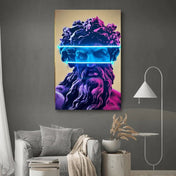
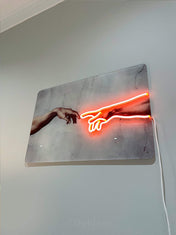
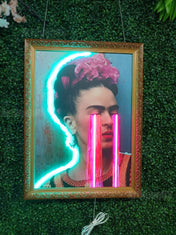
Illuminated signs are used in spaces where visibility depends not only on design, but on how light interacts with the environment.
In real installations, what often happens is that signage looks clear in design files but loses impact once installed — either blending into the background or becoming too harsh to read.
Modern LED illuminated signage allows for controlled brightness and consistent light output, making it suitable for both high-visibility storefronts and interior branding.
Types of Illuminated Signs
Different types of illuminated signs are used depending on the space and visibility requirements:
- Front-lit signs — light projects outward for direct visibility
- Backlit signs — halo glow effect behind the sign
- Light box signs — evenly illuminated panels for logos and graphics
- Channel letters — individual illuminated letters for storefronts
In practice, the choice depends on distance, viewing angle, and surrounding lighting conditions.

Where Illuminated Signs Are Used
- Retail storefronts and commercial buildings
- Restaurants, bars, and hospitality spaces
- Salons, studios, and showrooms
- Office interiors and reception areas
Each environment requires a different balance between brightness and readability.
What Affects Sign Visibility
The effectiveness of an illuminated sign is influenced by several real-world factors:
- Contrast between sign and background
- Ambient lighting and reflections
- Viewing distance and positioning
- Material finish and surface texture
Too much brightness can reduce clarity, while low contrast can make signage difficult to notice.
Design and Production
Illuminated signs are typically designed with both visual and technical considerations in mind:
- Design adaptation for lighting
- Material and mounting selection
- Light distribution planning
- Production and testing
In many cases, designs are adjusted to maintain readability once illuminated.
Frequently Asked Questions
What is the difference between neon and illuminated signs?
Neon signs are a type of illuminated signage, while illuminated signs include a broader range of lighting methods such as LED panels and channel letters.
Are illuminated signs suitable for outdoor use?
Yes, when built with appropriate materials and weather protection.
How long do LED illuminated signs last?
Most LED systems last tens of thousands of hours with consistent performance.
Do illuminated signs require maintenance?
Minimal maintenance is required compared to traditional lighting systems.
Explore Custom Illuminated Signage
Each illuminated sign is designed based on real conditions — including space, visibility, and installation environment.