Choosing a neon color is not just a visual decision. In real projects—restaurants, retail, studios, and installations—the color of light directly affects perception, mood, and even how a space photographs. Most clients initially think in terms of “pink,” “blue,” or “white,” but in practice, the differences between tones, materials, and brightness levels are what define whether a sign looks premium or cheap.
This article breaks down how modern LED neon colors behave, what options actually exist on the market today, and how professionals select the right tone for each project.
The Reality of Neon Color Options Today
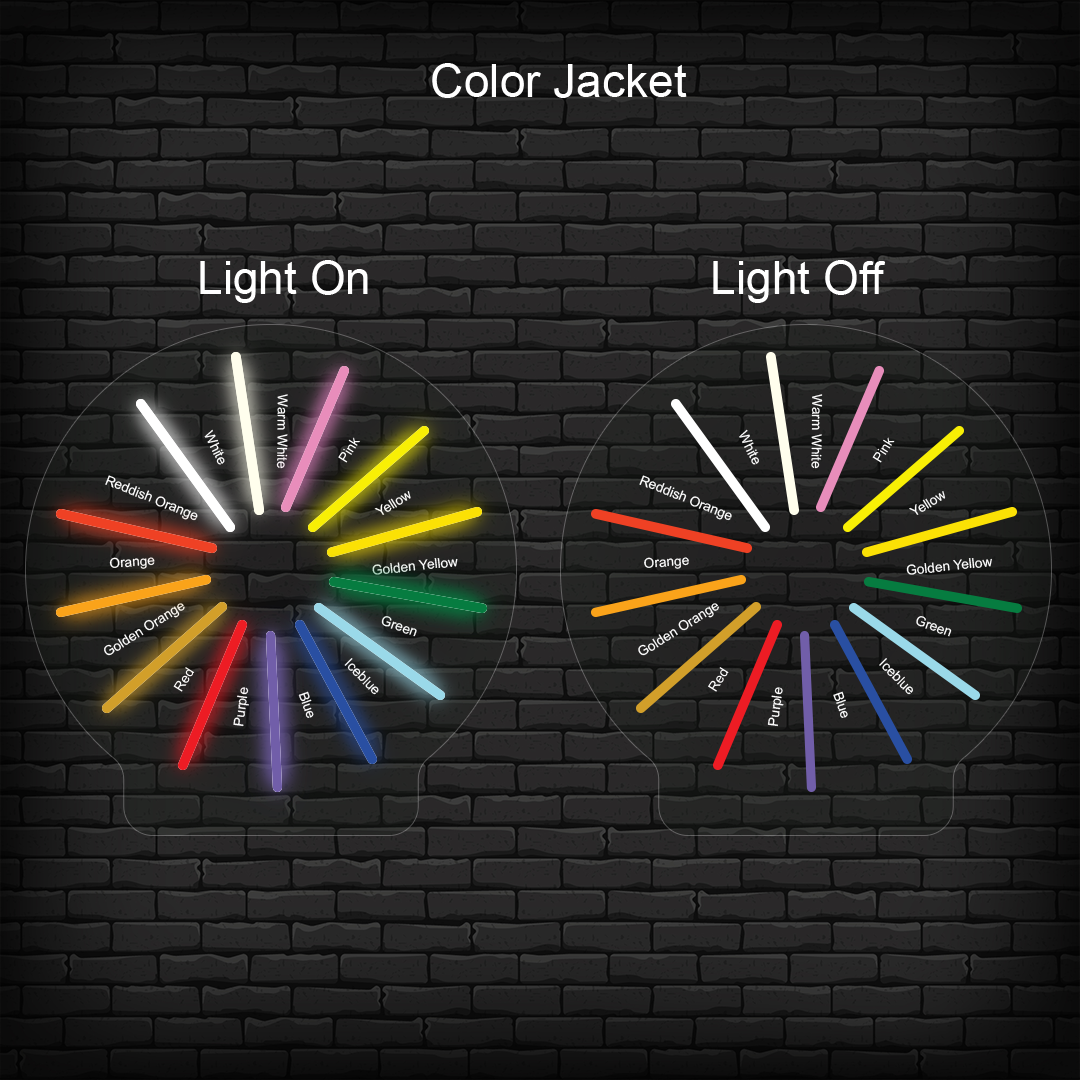
Unlike traditional glass neon, modern LED neon is manufactured using silicone diffusers over LED strips. This creates a controlled, uniform light output and allows for a wide but finite color range.
In practical terms, the current high-quality palette used in professional installations includes:
-
Warm White (≈2700–3000K)
Soft, slightly golden tone. Used in hospitality, restaurants, and spaces where comfort matters. -
Cool White (≈6000–6500K)
Crisp, neutral-to-blue white. Common in modern retail, tech environments, and clean branding. -
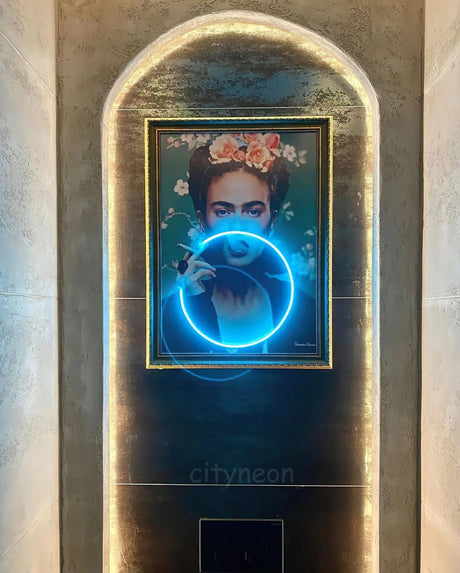
Ice Blue
A bright, slightly cyan-toned blue. Reads as “clean” and “premium,” often used in fitness and nightlife interiors. -
Purple
Deep and saturated. Works well for artistic installations and accent lighting. -
Light Pink
Subtle, soft tone. Frequently used in beauty, lifestyle, and café interiors. -
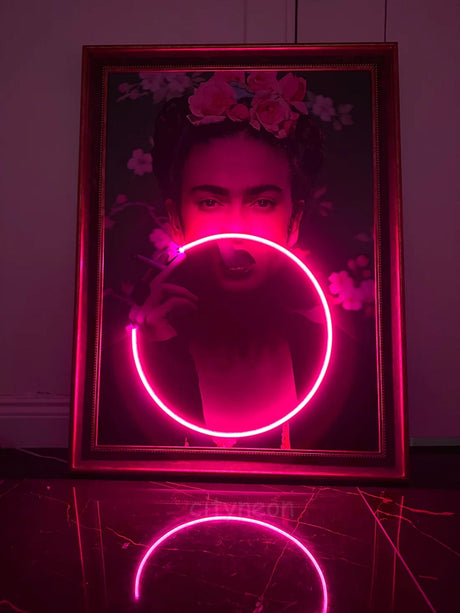
Hot Pink
Highly saturated and attention-grabbing. Designed for visibility and strong visual impact.
These represent the core spectrum of high-performance neon colors currently available at a professional level. While RGB systems exist, fixed-color silicone neon typically produces cleaner, more consistent, and more photogenic results.
Why White Is More Complex Than It Looks


White is often underestimated, but it is the most critical color choice in commercial signage.
Two projects using identical designs can feel completely different depending on the white tone:
- Warm white creates a welcoming, relaxed atmosphere. It reduces visual harshness and works well with wood, brick, and textured interiors.
- Cool white increases perceived sharpness and contrast. It works better on clean surfaces like concrete, glass, or painted walls.
In practice, selecting the wrong white is one of the most common reasons signage “doesn’t feel right” after installation.
Material Quality Affects Color More Than Expected
Not all LED neon looks the same, even if the color name is identical.
The key variable is the silicone diffuser:
- Higher-quality silicone provides greater light transmission, resulting in brighter and more uniform color
- Lower-quality materials create dull or uneven illumination
- Premium silicone maintains color consistency even across bends and complex shapes
Another important factor is safety. Professional-grade silicone used in commercial signage is:
- Heat-resistant
- Non-flammable under typical exposure conditions
- Suitable for public and commercial environments
This is not just a technical detail—it directly affects compliance, longevity, and installation reliability.
Thickness and Scale: Why One Size Doesn’t Fit All
LED neon is not a single standardized product. Tube thickness typically varies (commonly in the 6–8 mm range, with larger profiles available), and this choice impacts both aesthetics and performance.
-
Thinner profiles
Better for small text, detailed logos, and refined designs -
Thicker profiles
Provide stronger visibility at distance and better presence on large walls
Selecting the correct thickness depends on:
- Viewing distance
- Installation height
- Letter size
- Overall composition
A mismatch between scale and thickness is one of the main reasons signage looks either weak or overly heavy in real environments.
Color in Real Spaces vs. Mockups
Digital mockups often exaggerate glow, saturation, and contrast. In real installations:
- Light reflects off surrounding surfaces
- Colors interact with wall materials (brick, concrete, paint)
- Ambient lighting changes perception throughout the day
For example:
- Light pink may appear nearly white in bright environments
- Ice blue can shift depending on nearby colors
- Warm white may look more golden against dark backgrounds
Understanding this behavior is essential when designing for real spaces rather than screens.
The Practical Approach to Choosing Neon Colors
Professionally, color is selected based on function, not preference alone.
Typical considerations include:
- Brand identity (consistency with logo and interior palette)
- Lighting conditions (daylight vs. evening environments)
- Surface materials (how light reflects and diffuses)
- Purpose of the sign (visibility vs. atmosphere)
- Photography and social media impact
The most successful installations are not the brightest or most colorful—they are the most context-aware.
Conclusion
Modern LED neon offers a refined but structured color palette. The difference between an average sign and a high-end installation is not the color itself, but how that color is:
- Matched to the environment
- Executed through material quality
- Scaled appropriately
- Balanced with surrounding light
When these factors align, neon becomes more than signage—it becomes part of how a space is experienced.